
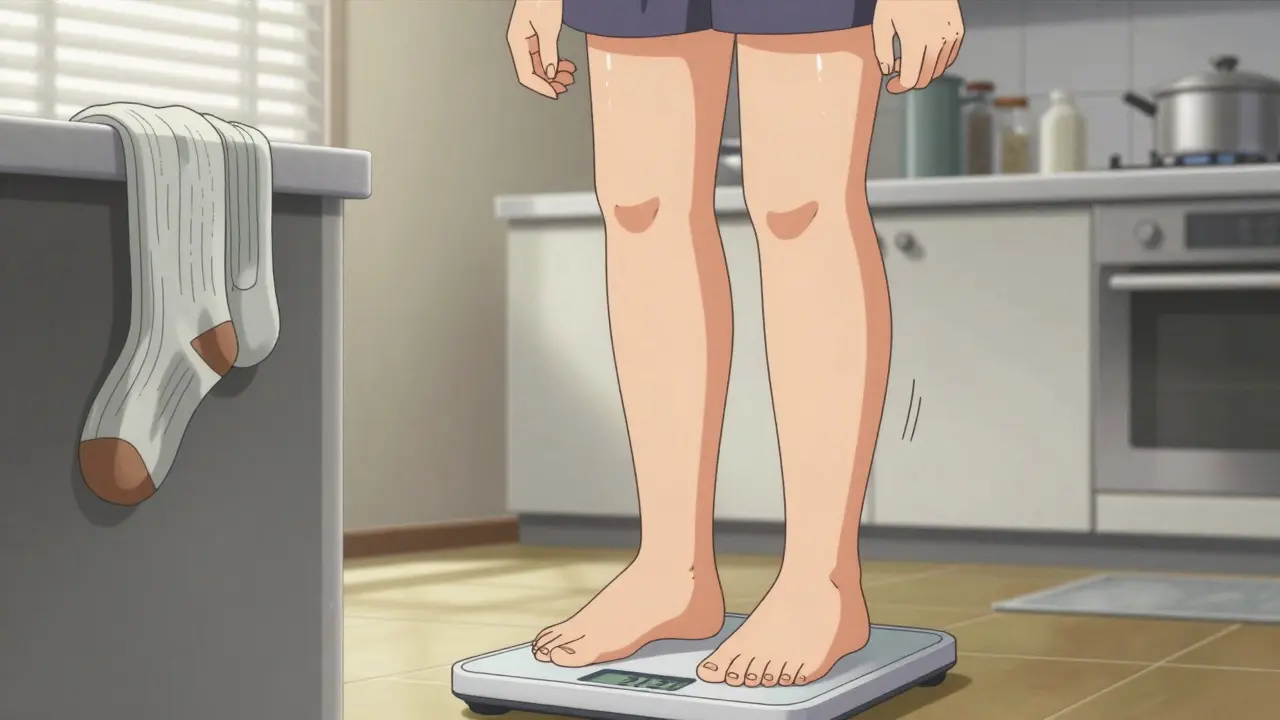
Swelling in your ankles, feet, or hands after starting a new medication isn’t rare-but it’s not always harmless. If you’ve noticed your shoes feel tighter, your rings won’t slide off, or your legs look puffy by the end of the day, you’re not imagining it. About 4.4 million Americans experience this every year, and most of it comes from common prescriptions like blood pressure meds, painkillers, or diabetes drugs. The question isn’t whether it’s happening-it’s whether you should be worried.
What Medications Cause Swelling?
Not all swelling is the same. Some drugs make your body hold onto water, and that extra fluid pools in your tissues, especially in your lower limbs. This is called edema. It’s not an allergy. It’s a side effect built into how the drug works.
Calcium channel blockers like amlodipine (Norvasc) are the biggest culprits. Around 10-20% of people taking them get noticeable swelling in their ankles and feet. At a 10mg daily dose, that number jumps to 25%. Gabapentin (Neurontin), often prescribed for nerve pain or seizures, causes swelling in about 8% of users. Pregabalin (Lyrica) is similar, with 6% reporting swelling. If you’re on one of these and your ankles swell up after a few weeks, it’s likely the drug-not aging or standing too long.
Diabetes medications like pioglitazone (Actos) and rosiglitazone (Avandia) are also known for fluid retention. Up to 8% of users gain noticeable weight and swelling. Corticosteroids like prednisone? Even higher-20-30% of people on doses above 20mg daily for more than two weeks will see swelling. Even birth control pills and hormone replacement therapy can cause mild fluid buildup in 5-15% of users.
And don’t forget common painkillers. NSAIDs like ibuprofen and naproxen may seem harmless, but they cause mild edema in about 3% of regular users. It’s not a red flag for everyone-but if you’re already at risk for heart or kidney problems, it adds up.
When Is Swelling Just a Side Effect-and When Is It Dangerous?
Here’s the key: not all swelling is created equal. Medication-induced edema usually shows up in both legs, feels soft to the touch, and leaves a dent when you press it (called pitting). It often gets worse by evening and improves after you rest or elevate your legs.
But if the swelling is only on one side-especially if it’s red, warm, painful, or accompanied by shortness of breath-you’re not dealing with a simple side effect. That’s a red flag for something more serious.
Deep vein thrombosis (DVT), a blood clot in your leg, causes sudden, one-sided swelling. It can break loose and travel to your lungs. That’s life-threatening. Kidney disease can cause massive swelling all over, especially with foamy urine and weight gain. Heart failure leads to swelling that gets worse when you lie down, and you might wake up gasping for air. Liver cirrhosis brings swelling in the belly (ascites) along with swollen legs.
Doctors often mistake medication swelling for heart or kidney problems-especially in older adults. In fact, the American Geriatrics Society lists amlodipine, gabapentin, and pioglitazone as potentially inappropriate for people over 75 because they’re so likely to cause fluid overload. If you’re over 65 and on any of these, your swelling needs closer attention.
What to Watch For: The Warning Signs
If you’re on a medication known to cause swelling, here’s what to track daily:
- Weight gain: A 2.2-pound (1 kg) increase in 24 hours means your body is holding onto a liter of fluid. That’s a red flag.
- Shortness of breath: Especially when lying flat or during light activity. This could mean fluid is building up in your lungs.
- One-sided swelling: If only one leg or arm is swollen, get checked immediately. It could be a clot.
- Abdominal swelling: A hard, distended belly with leg swelling? That’s liver or heart trouble.
- Fast heartbeat or dizziness: Combined with swelling, this suggests your heart is struggling.
- Worsening swelling despite rest: If elevation and rest don’t help after a few days, the cause might not be the drug.
One patient on Reddit shared how her doctor dismissed her swollen ankles as "just a side effect" of pioglitazone-until she ended up in the hospital with pulmonary edema. That’s the kind of story that shouldn’t happen. If your swelling is getting worse, don’t wait for your next appointment. Call your doctor.
What You Can Do Right Now
You don’t have to just live with it. There are practical steps that help-fast.
- Elevate your legs: Put them above heart level for 15-20 minutes, four times a day. Clinical trials show this reduces ankle swelling by 1.5 cm in just 48 hours.
- Wear compression socks: 20-30 mmHg pressure socks reduce swelling volume by 30% in a week. They’re not glamorous, but they work.
- Watch your salt: Cut sodium to under 2,000 mg a day. Most people eat 3,400 mg. Reducing it cuts fluid retention noticeably within 72 hours.
- Track your weight daily: Weigh yourself at the same time each morning, after using the bathroom, in the same clothes. A 2.2-pound jump? That’s fluid-and you need to act.
One user on Reddit cut his amlodipine-related swelling by 80% just by elevating his legs and wearing compression socks. He didn’t switch meds-and he didn’t need to. But if these steps don’t help after a week, your doctor needs to consider alternatives.
What Your Doctor Should Do
If you’re on a medication that causes swelling and it’s bothering you, your doctor should have a plan. The American College of Physicians recommends checking for edema monthly in patients on corticosteroids. For diabetes patients on pioglitazone, the American Diabetes Association says to stop the drug if weight gain exceeds 5% in a month or if you develop shortness of breath.
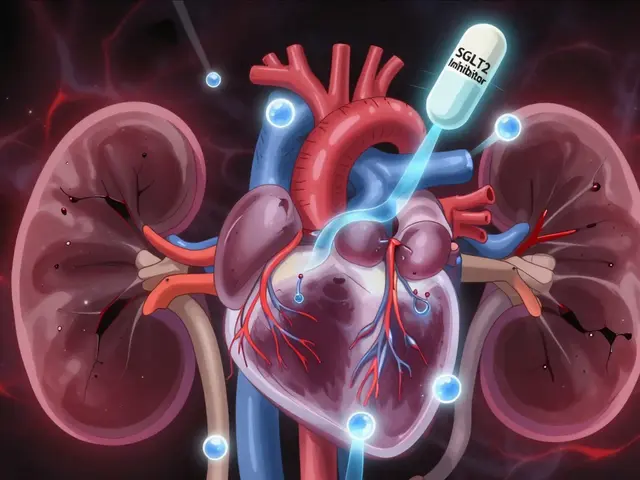
There are better options. For high blood pressure, switching from amlodipine to losartan (an ARB) often eliminates swelling without losing blood pressure control. For nerve pain, gabapentin can sometimes be replaced with duloxetine or pregabalin at lower doses. For diabetes, metformin or SGLT2 inhibitors like empagliflozin don’t cause fluid retention and may even help your heart.
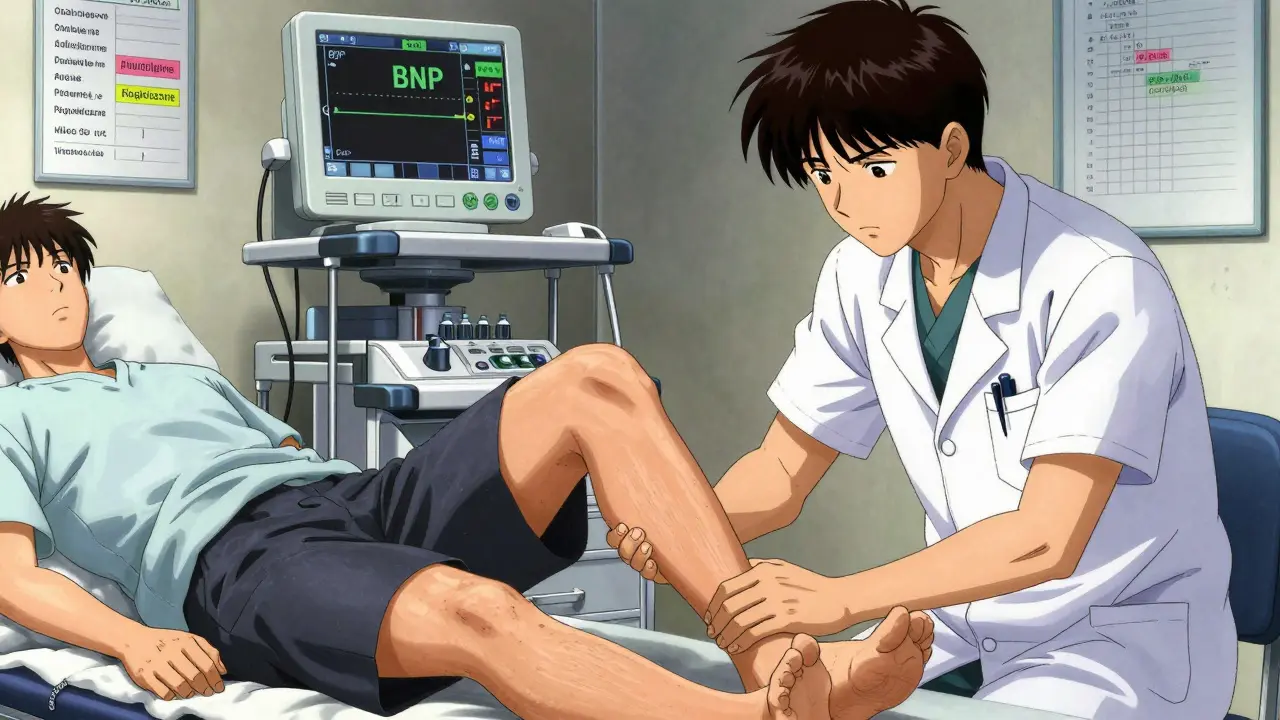
And yes-your doctor should check your heart and kidneys. A simple blood test for BNP (a heart stress marker) or a urine test for protein can tell you if the swelling is from your meds-or from something more serious.
Why This Matters More Than You Think
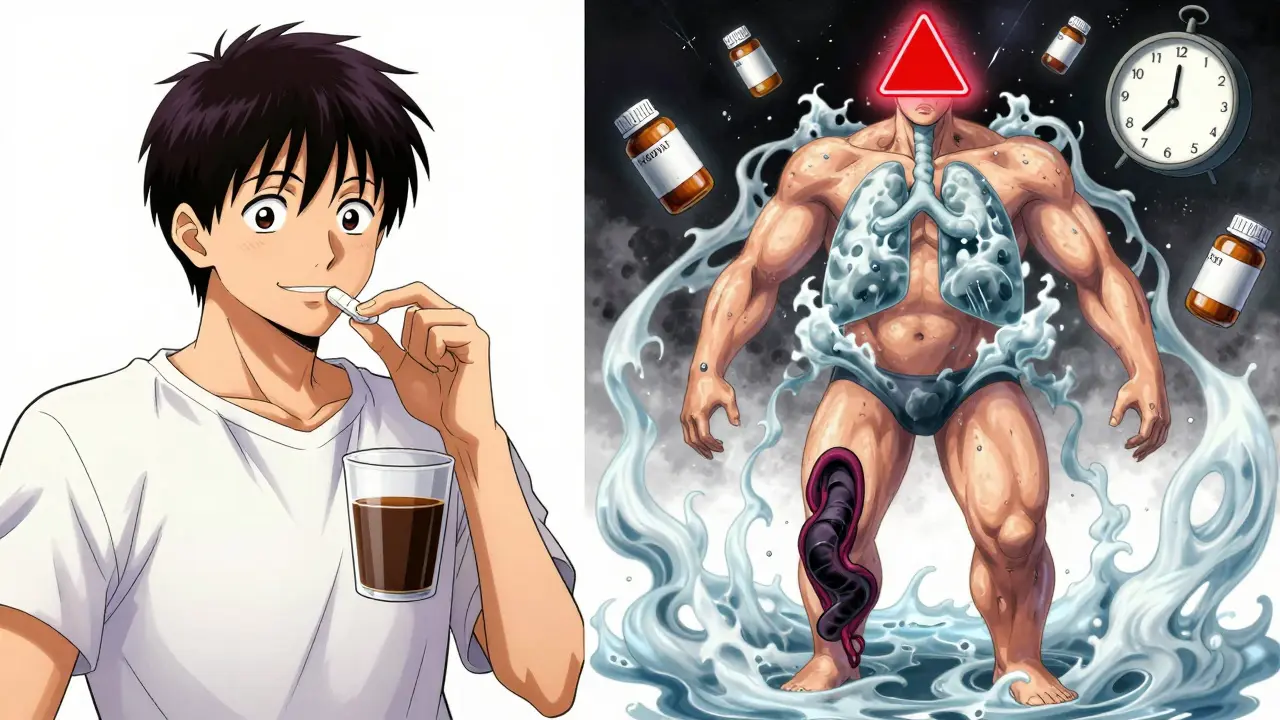
Medication-induced edema isn’t just an annoyance. It’s a warning sign that your body is under strain. In 2022, over 5 million doctor visits in the U.S. were for this exact issue. The annual cost? $4.8 billion. Many of those visits could’ve been avoided if swelling was taken seriously earlier.
And it’s getting worse. The FDA reported a 12.7% year-over-year increase in edema-related adverse events from 2022 to mid-2023. More people are on multiple meds, especially older adults. Nearly 30% of people over 65 take at least one drug that causes fluid retention. That’s a ticking time bomb if no one’s watching.
Health systems are starting to catch on. Mayo Clinic cut severe edema cases by 22% after adding electronic alerts in their system when patients are prescribed high-risk drugs. That’s a win. But it shouldn’t take a computer to remind your doctor to check your ankles.
Bottom Line: Don’t Ignore It, But Don’t Panic Either
Swelling from meds is common. It’s not always dangerous. But it’s your body’s way of saying something’s off. If it’s mild, symmetrical, and improves with rest, you can manage it with lifestyle changes. If it’s sudden, one-sided, painful, or paired with breathing trouble or rapid weight gain-don’t wait. Call your doctor today.
You’re not overreacting if you’re worried. You’re being smart. Medications save lives-but they can also hide serious problems behind simple side effects. Know the signs. Track your body. Speak up. Your swelling might just be a pill’s side effect. Or it might be the first clue to something bigger. Either way, you deserve to know the difference.
Is swelling from medication always harmless?
No. While many cases of medication-related swelling are mild and temporary, it can signal serious conditions like heart failure, kidney disease, or a blood clot. If swelling is sudden, one-sided, painful, or accompanied by shortness of breath, rapid weight gain, or fatigue, it’s not harmless and requires immediate medical evaluation.
Which medications are most likely to cause swelling?
Calcium channel blockers like amlodipine (10-20% of users), diabetes drugs like pioglitazone (4-8%), corticosteroids like prednisone (20-30% at high doses), and pain relievers like ibuprofen (3%) are the most common culprits. Gabapentin and pregabalin also cause swelling in 6-8% of users. Hormonal medications, including birth control and estrogen therapy, can contribute too.
How can I tell if my swelling is from my meds or something worse?
Medication-induced swelling is usually symmetrical (both legs), soft to the touch, and improves with rest or elevation. It often gets worse at night. Swelling from heart, kidney, or liver disease may be more severe, accompanied by weight gain, trouble breathing, foamy urine, or abdominal bloating. One-sided swelling, especially with redness or warmth, could mean a blood clot. If in doubt, get checked.
Can I just stop taking the medication causing swelling?
Never stop a prescribed medication without talking to your doctor. Stopping suddenly can be dangerous-especially for blood pressure or seizure meds. Instead, schedule an appointment to discuss alternatives. For example, switching from amlodipine to losartan often eliminates swelling without losing effectiveness. Your doctor can help you find a safer option.
What lifestyle changes help reduce medication-related swelling?
Elevating your legs above heart level for 15-20 minutes four times a day reduces swelling noticeably within two days. Wearing 20-30 mmHg compression stockings can cut swelling volume by 30% in a week. Cutting sodium to under 2,000 mg daily helps reduce fluid retention in as little as 72 hours. Daily weight tracking catches dangerous fluid gain early-a 2.2-pound increase in 24 hours means you need to act.
Should I get tested if I have swelling from medication?
Yes, especially if you’re over 65, have other health conditions, or if the swelling is worsening. Simple tests like a BNP blood test (for heart strain), a urine protein test (for kidney issues), or an ultrasound (to rule out blood clots) can quickly tell you whether the swelling is from your meds or something more serious. Don’t assume it’s just a side effect-get it checked.

Phil Hillson
January 18, 2026So basically every drug ever made is just a slow poison and we’re all just lab rats for Big Pharma? I mean, I’ve been on amlodipine for 5 years and my ankles look like overfilled water balloons, but hey, at least my blood pressure’s ‘fine’ right? LOL.
Malikah Rajap
January 20, 2026I’ve been tracking my weight daily since last month… and I lost 3 pounds in 72 hours after cutting salt… I swear, if I’d known it was that simple, I wouldn’t have wasted 6 months thinking I was dying…
Aman Kumar
January 21, 2026The pharmacokinetic burden of polypharmacy in geriatric populations is not merely a clinical concern-it is a systemic failure of risk stratification. The sodium-retentive properties of CCBs and TZDs induce hemodynamic dysregulation, which, when unmonitored, precipitates volume overload syndromes. You’re not ‘just swelling’-you’re in a pre-renal failure cascade.
Christi Steinbeck
January 22, 2026I used to think my swollen feet were just from standing too long at work-turns out it was pioglitazone. I switched to metformin, started compression socks, and now I can actually see my toes again. You’re not weak for noticing-you’re brave for acting. Keep going!
Tracy Howard
January 22, 2026Americans really think they’re the only ones who get side effects? In India, we just take 3 different meds to fix the side effects of the first med. It’s called ‘pharma yoga.’ You press one button, you get 5 new problems. Welcome to the circus.
Jacob Hill
January 23, 2026I just wanted to say… thank you for writing this. I’ve been too scared to mention my swelling to my doctor because I thought they’d just say ‘it’s normal.’ But now I know I’m not overreacting. I’m scheduling my appointment tomorrow.
Lewis Yeaple
January 23, 2026The American Geriatrics Society Beers Criteria explicitly lists amlodipine, gabapentin, and pioglitazone as potentially inappropriate medications in patients over 75 due to increased risk of fluid retention, hyponatremia, and falls. This is not speculative-it is evidence-based. If your physician is unaware of this, they are not practicing up to standard.
Jake Rudin
January 24, 2026We treat symptoms like they’re enemies… but what if swelling isn’t the problem… but the messenger? The body isn’t broken-it’s trying to tell us we’re asking too much of it. Maybe the real question isn’t ‘which drug?’ but ‘why are we asking our bodies to carry this weight?’
Lydia H.
January 25, 2026I’m 72 and on amlodipine. My ankles swell every afternoon. I elevate them, wear socks, and cut salt. No big deal. I’m not panicking, I’m just… paying attention. That’s all anyone needs to do.
sujit paul
January 27, 2026I’ve studied ancient Ayurvedic texts for 18 years, and I can tell you: modern medicine is a delusion. Swelling is your body rejecting foreign chemical toxins. You don’t need compression socks-you need a cleanse, a mantra, and to stop trusting pharmaceutical corporations who own your government. The truth is hidden in the Vedic doshas.
Astha Jain
January 28, 2026i just started gabapentin and my feet look like balloons… but my doc said its normal so i guess i’ll just keep wearing flip flops forever lol
Jackson Doughart
January 29, 2026There’s something deeply human in how we dismiss our own bodies until they scream. I used to ignore my swelling, too-until I woke up one morning unable to button my shirt. That’s when I realized: listening isn’t weakness. It’s the most radical act of self-respect we have left.