
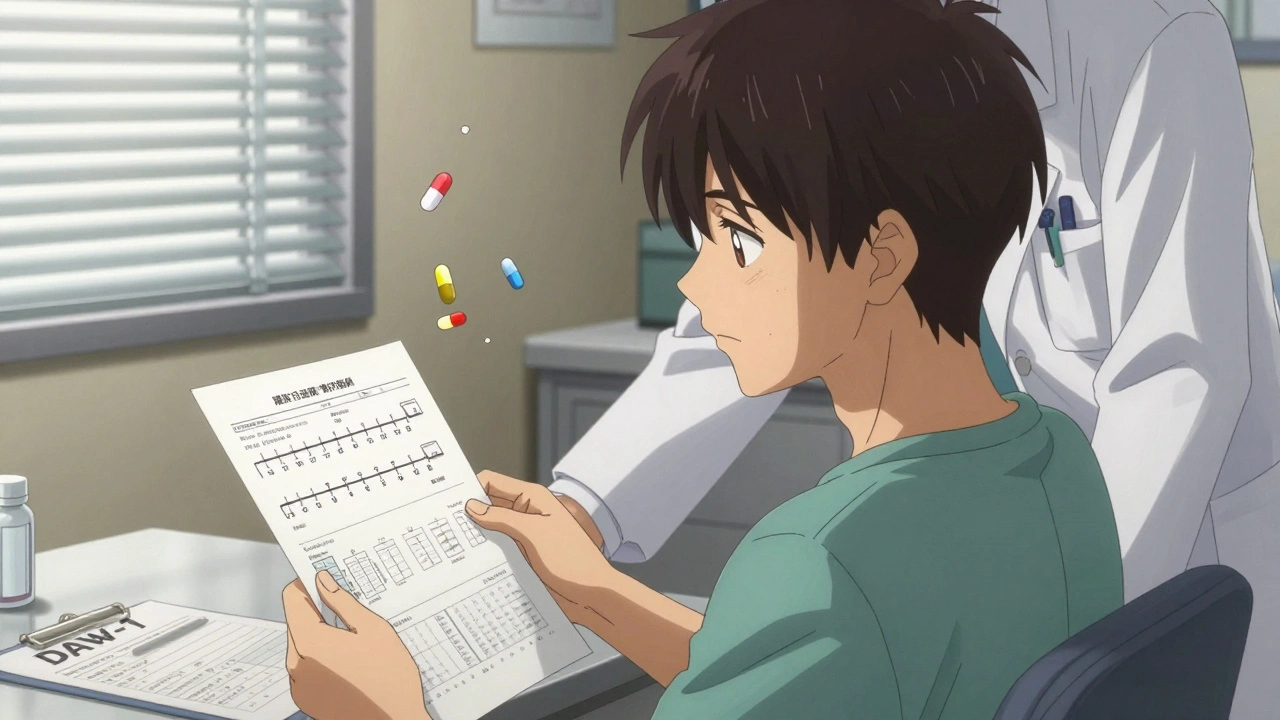
Switching from a brand-name medication to a generic can save money - but it doesn’t always save your health. If you’ve noticed changes in how you feel after your pharmacy filled a different pill, you’re not alone. Thousands of people report side effects, reduced effectiveness, or even dangerous fluctuations in their condition after switching. The truth? Brand medication isn’t always about price. Sometimes, it’s about your body’s ability to handle the exact formulation your doctor originally prescribed.
Why Your Body Might React Differently to Generics
Generic drugs are required by the FDA to have the same active ingredient as the brand version. That part is true. But what’s not always discussed is what’s in the rest of the pill: the fillers, dyes, binders, and preservatives. These inactive ingredients can vary between brand and generic versions - and for some people, they make all the difference. For example, if you’re on levothyroxine for thyroid disease, even a tiny shift in absorption can throw your hormone levels off. Studies show that switching between generic versions of levothyroxine can lead to abnormal TSH levels in up to 20% of patients. That’s not a minor tweak - it’s enough to cause fatigue, weight gain, or heart palpitations. The same goes for warfarin, epilepsy drugs like phenytoin or levetiracetam, and some psychiatric medications. These are called narrow therapeutic index drugs. That means the difference between a safe dose and a harmful one is small. A 5% variation in how your body absorbs the drug can mean the difference between control and crisis. You might have noticed:- Your seizures came back after switching to generic Keppra
- Your INR levels went wild after switching from brand to generic warfarin
- You got stomach cramps or headaches the day your pharmacy gave you a different-looking pill
- You felt foggy or depressed after switching antidepressants
When It’s Medically Necessary to Stay on Brand
You don’t need to guess whether you qualify to stay on brand. There are two clear, accepted medical reasons:- You have a documented allergy or sensitivity to an inactive ingredient in the generic version - like lactose, gluten, or a specific dye (FD&C Red 40, for example).
- You’ve already tried the generic and had a negative outcome - reduced effectiveness, new side effects, or lab values that went out of range.
- The date you switched
- What symptoms started and how bad they were
- Any lab results that changed (like TSH, INR, or drug levels)
- When you switched back to brand and how you felt after
How to Talk to Your Doctor - Without Getting Dismissed
Doctors hear a lot. And they’re under pressure to prescribe generics. If you walk in saying, “I don’t trust generics,” they’ll shut down. But if you walk in with facts, they’ll listen. Use the SBAR method - it’s used in hospitals for a reason:- Situation: “I was switched to a generic version of my seizure medication last month.”
- Background: “I’ve been stable on the brand for 5 years. No seizures. My last blood test showed consistent levels.”
- Assessment: “Two weeks after switching, I had three seizures. My blood levels dropped 30%.”
- Recommendation: “Can we go back to the brand? I have the lab reports and pharmacy records to show the change.”

What to Bring to Your Appointment
Your doctor doesn’t have time to dig through your history. Make it easy for them. Bring:- A printed timeline of medication changes and symptoms
- Lab reports showing changes in drug levels or markers (INR, TSH, etc.)
- Pharmacy receipts or records showing when you switched
- A list of inactive ingredients in the generic version (check the package insert or ask your pharmacist)
- The FDA’s Orange Book entry for your drug - look up the therapeutic equivalence code (TE code). If it’s not AB-rated, that’s a red flag.
Insurance Won’t Cover It - Now What?
Most insurance plans will automatically switch you to generic unless your doctor says no. That’s where DAW codes come in. Ask your doctor to write “DAW-1” on your prescription. That means “Dispense as Written” - the brand only. It tells the pharmacy: “Don’t substitute.” If your insurance denies it, you can appeal. And you should. According to Kaiser Family Foundation data, 72% of brand-name appeals are approved when you include:- Doctor’s letter explaining medical necessity
- Lab results
- Previous failed attempts with generics
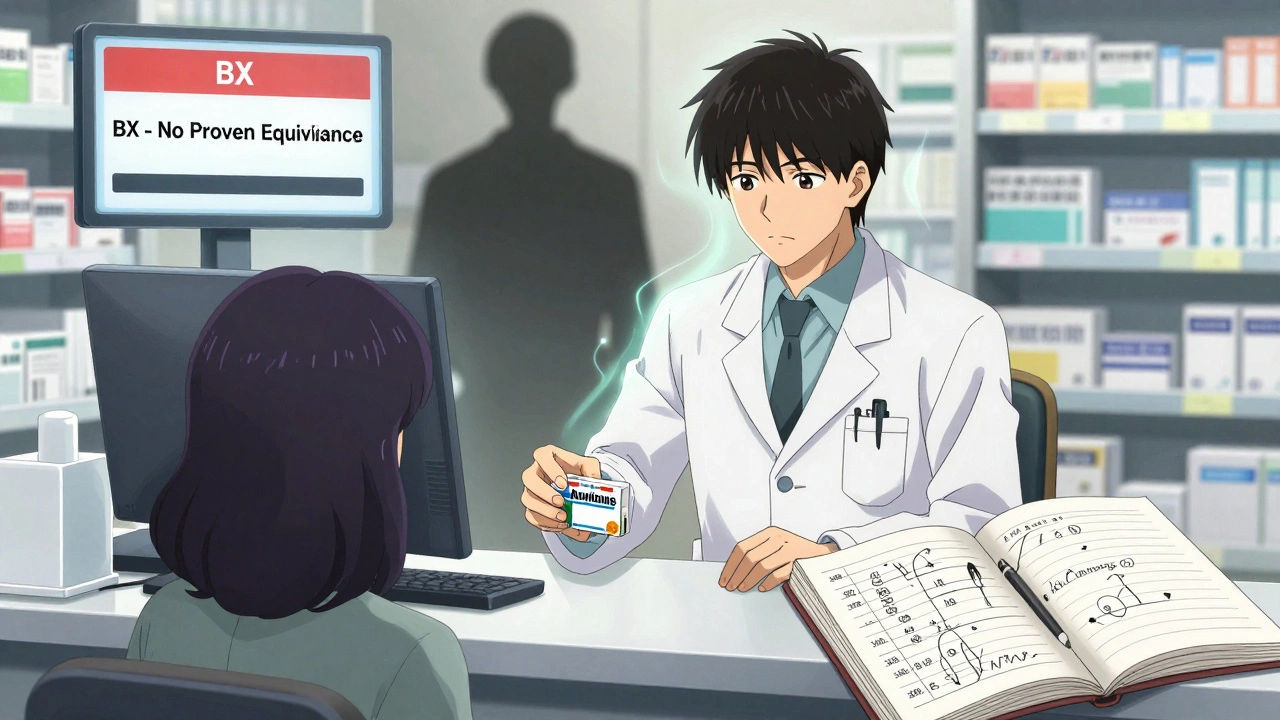
What Your Pharmacist Can Do
Your pharmacist is on the front lines. They see what happens when generics are swapped. Many will tell you quietly: “I’ve seen this before.” Ask them:- “What’s the manufacturer of this generic?”
- “Is this the same one I had before?”
- “Can you check if this version has a different dye or filler?”
It’s Not About Trust - It’s About Control
This isn’t about being anti-generic. It’s about being pro-stability. If your medication keeps your condition under control, why risk a change that could cost you your health? The FDA says generics are equivalent. But they also say: “Patients should report any adverse events.” That includes feeling worse after a switch. Your voice matters. Your experience matters. And when you back it up with data, doctors listen.What to Do Next
Start today:- Look at your last prescription. Is it brand or generic?
- If it’s generic, check your symptoms since the switch.
- Pull your lab results from the last 6 months.
- Write down any changes in how you feel - even small ones.
- Call your pharmacy and ask what manufacturer made your generic.
- Book your next appointment. Bring your notes.
Can I ask my doctor to keep me on brand medication even if a generic is available?
Yes. Doctors can prescribe brand-name medications if they believe it’s medically necessary. You need to provide evidence - like side effects, lab changes, or allergies to inactive ingredients - so your doctor can justify it to your insurance. Many doctors will agree if you come prepared with data.
What if my insurance denies my request for brand medication?
You can appeal. Most denials are overturned when you submit a doctor’s letter, lab results showing instability after switching, and records of prior generic failures. The process takes time - usually 2-4 weeks - but 72% of appeals succeed with proper documentation.
Are all generics the same, or do different manufacturers make a difference?
No, not all generics are the same. Different manufacturers use different inactive ingredients, which can affect how the drug is absorbed. For narrow therapeutic index drugs like warfarin or levothyroxine, switching between generic brands can cause measurable changes in blood levels. That’s why some patients do better staying on one brand or one generic manufacturer.
How do I know if my medication has a narrow therapeutic index?
Common drugs with narrow therapeutic indexes include levothyroxine, warfarin, phenytoin, carbamazepine, lithium, digoxin, and cyclosporine. If you’re on one of these, your doctor should monitor your blood levels regularly. If you’ve had issues after switching to generic, that’s a strong signal to stay on brand.
Can I switch back to brand if I’m currently on a generic?
Yes. Talk to your doctor and explain how you’ve felt since switching. Bring any symptoms or lab results. If your doctor agrees it’s medically necessary, they can prescribe the brand with a DAW-1 code. Your insurance may require an appeal, but many patients successfully switch back with proper documentation.
Is it safe to take a generic if I’ve never had a problem before?
For most people, yes. Generics work fine for high-dose medications like statins or blood pressure pills. But if you’re on a drug with a narrow therapeutic index, or if you’ve ever had a reaction to a generic before, it’s not worth the risk. Stability matters more than savings in those cases.



Harriet Wollaston
December 13, 2025I switched to generic levothyroxine last year and felt like a zombie for six weeks. My doctor shrugged it off until I brought my TSH logs. Now I’m back on brand-and I sleep like a baby again. Don’t let anyone tell you it’s "all in your head."
Constantine Vigderman
December 13, 2025YESSSS!! 🙌 I’ve been screaming this from the rooftops since my seizures came back after switching to generic Keppra. My neuro said "it’s the same chemical!" but my brain knew better. Lab results showed a 40% drop in drug levels. They finally listened after I printed the FDA’s TE code chart. DO NOT GIVE UP.
Hamza Laassili
December 14, 2025Ugh, generics are just a corporate scam!! The FDA is in bed with Big Pharma and Big Pharmacy!! Why do they let these cheap knockoffs get approved?! I lost my job because I couldn't focus after switching to generic warfarin!! My INR went from 2.4 to 5.1!! This is a national disaster!!
Tyrone Marshall
December 15, 2025There’s something deeply human about this. We’re not just data points in a formulary. We’re bodies that remember, that react, that heal or break based on tiny differences invisible to a lab report. If your body tells you something’s wrong, it’s not being dramatic-it’s being wise. Trust that. Document it. Fight for it.
Generics have their place-but not when your life depends on stability. You’re not asking for luxury. You’re asking for safety. And that’s not too much to ask.
Casey Mellish
December 17, 2025As someone who’s lived with epilepsy for 18 years, I can confirm: not all generics are equal. I’ve been on the same generic manufacturer for years because my neurologist insisted on consistency. When my pharmacy switched brands last year, I had three breakthrough seizures in two weeks. We switched back. Done. No debate. The science is clear-bioequivalence doesn’t mean bioidentical. Especially for narrow TI drugs.
kevin moranga
December 18, 2025Hey, I just want to say-this post saved my life. Seriously. I was about to let my insurance force me onto generic lithium because "it’s cheaper." But then I read your section on lab changes and symptoms. I pulled my last three lithium levels-went from 0.7 to 0.3 after switching. I felt like I was drowning in fog. I brought everything to my doctor, used SBAR like you said, and guess what? They wrote DAW-1 on the spot. I cried in the parking lot.
Don’t let anyone make you feel guilty for needing the right pill. Your health isn’t a budget line item. You’re not being difficult-you’re being smart.
Cole Newman
December 19, 2025Why are you even arguing? Just go to a cash pharmacy and pay out of pocket. I pay $12 for my brand levothyroxine at Walmart. No insurance, no hassle. You think the system’s rigged? It is. But you don’t need their permission to survive. Just pay $15 extra a month and be done with it.
Yatendra S
December 20, 2025Life is a cycle, man. 🌱 The pill you take today is just a mirror of your inner balance. When the body rebels, it’s not the drug-it’s the alignment. Maybe the generic is trying to tell you to slow down, to breathe, to reconnect with your true rhythm. Science measures molecules, but wisdom measures soul. 🕊️
Himmat Singh
December 21, 2025It is empirically incorrect to assert that generics are universally inferior. The FDA's bioequivalence standards are rigorous and validated across millions of patient-years. To claim that "inactive ingredients" cause systemic harm without controlled, double-blind studies is anecdotal fallacy. Your emotional response does not constitute clinical evidence. The burden of proof lies with the claimant, not the system.
Richard Ayres
December 22, 2025I appreciate the depth of this post. As someone who works in clinical pharmacy, I’ve seen firsthand how switching manufacturers-even within generics-can disrupt stability in patients on narrow-therapeutic-index drugs. The issue isn’t that generics are unsafe-it’s that the system treats them as interchangeable when they’re not, especially when patients have documented sensitivity. The SBAR method you described? That’s gold. We need more patients using it.
Jamie Clark
December 23, 2025Why are we still having this conversation? The FDA is a broken institution. They approve generics based on outdated models that ignore pharmacokinetic variability. The pharmaceutical industry lobbies to keep generics cheap, and doctors are pressured to push them. Meanwhile, patients suffer. This isn’t a debate-it’s a public health crisis. And you? You’re not crazy. You’re the canary in the coal mine.
Keasha Trawick
December 24, 2025Okay, but have you seen the dye in generic carbamazepine? It’s like someone poured a neon highlighter into a pill. I got migraines, rashes, and a weird metallic taste every time I got a new batch. My pharmacist whispered, "That’s FD&C Yellow 6. They use it in cheap versions because it’s cheaper than titanium dioxide." I switched back to brand and my brain stopped screaming. This isn’t science-it’s a cosmetic battle.
Alvin Montanez
December 24, 2025You people are ridiculous. You want to pay $300 for a pill when a $5 generic works for 98% of the population? You’re not special-you’re entitled. Your "symptoms" are probably anxiety. You read this article and now you think you have a medical condition because your brain is scared of change. Everyone else takes generics just fine. Stop being a burden on the system. If you can’t afford it, don’t take the drug. Simple.
Tom Zerkoff
December 25, 2025Thank you for this comprehensive, evidence-based guide. The inclusion of the FDA’s Orange Book TE codes and DAW-1 prescribing protocol is particularly valuable. In my practice, I’ve found that patients who arrive with documented timelines, lab results, and pharmacy records are significantly more likely to receive approval for brand-name medications. The key is not confrontation-it’s collaboration. Presenting data as a partner in care, rather than a demand, transforms the dynamic. This is precisely how patient advocacy should be conducted: informed, precise, and respectful of both clinical and systemic constraints.